Introverts in the Church
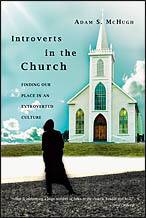
This book, by Adam McHugh, has recently been reviewed by Michael Pahl. According to Michael, the book gives voice to thoughts and feelings that many of us have had throughout our lives (for up to 50% of the population would come out as ‘INTs’ on the Myers-Briggs personality assessment).
‘Introversion’ is not a name for a syndrome, a set of preferences, or a character defect. It is, rather, a name for a tendency of personality. It is not about not wanting relationships, or being interested in people, or about not being able to speak up in public (many gifted teachers and public speakers are introverts).
In Michael’s summary, introversion is seen primarily in three ways:-
- introverts are energized by solitude and find being with people to be energy-draining (in contrast to extroverts, who gain energy by being with people and can find solitude maddening);
- introverts tend to process new information and experiences internally before they will express their thoughts and feelings to others (extroverts, by contrast, tend to process externally, even needing to speak their thoughts in conversation in order to form them);
- introverts tend toward depth in knowledge and experience over against breadth (extroverts, on the other hand, can tend toward a jack-of-all-trades approach to life).
All of this leads to something of a problem in that introverts tend not to fit the expectations of modern evangelicalism with respect to church life and leadership, spirituality and evangelism.
Although the book (according to Michael) is not without its flaws (over-generalisation being one of them), it does stand as a prophetic call to evangelical churches to find ways of welcoming and valuing introverts, and as healing balm to introverted types who have been wounded in these churches.