Seven reasons to be pro-Semitic
I’ve blogged quite a bit recently on the delicate but important subject of Israel. Much of what I’ve written tends towards the conclusion that the ‘Christian Zionist’ position cannot be supported from Scripture. That is to say, the Bible does not, in my view, teach that Jewish people have a God-given right to return to the land of their ancestors and re-establish the nation-state of Israel with Jerusalem as its capital.
It’s distressing to note how vitriolic the debate sometimes gets. A review of Stephen Sizer’s book Christian Zionism: Road-Map to Armageddon speaks of ‘ludicrous accusations…fear-mongering…arrogant anti-Judaism…he spews the gamut of accusations…’. This is unhelpful and misleading, to put it much too mildly.
Even David Pawson, in his book Defending Christian Zionism, entertains the idea (without committing himself to it) that ‘anti-Zionism’ is ‘another variety of antiSemitism’ (p13). Then he goes on to express regret that John Stott has associated himself with Sizer’s books (by commending two of them and by contributing the text of a sermon as an appendix to one of them). After expressing his respect for Stott’s ministry, Pawson then goes on to say:-
‘I am saddened that he is making such a public and negative stance on the Zionist question towards the close of such a ministry. (Why was I reminded of Luther’s final anti-Semitic outburst?).’
There are three things to point out here.
First, John Stott has been making his views on the Zionist question public for many years. He preached a key sermon on ‘The Place of Israel’ (based on Romans 9) at All Souls on 13th February 1983 (text available here). That’s not exactly ‘towards the close’ of his ministry.
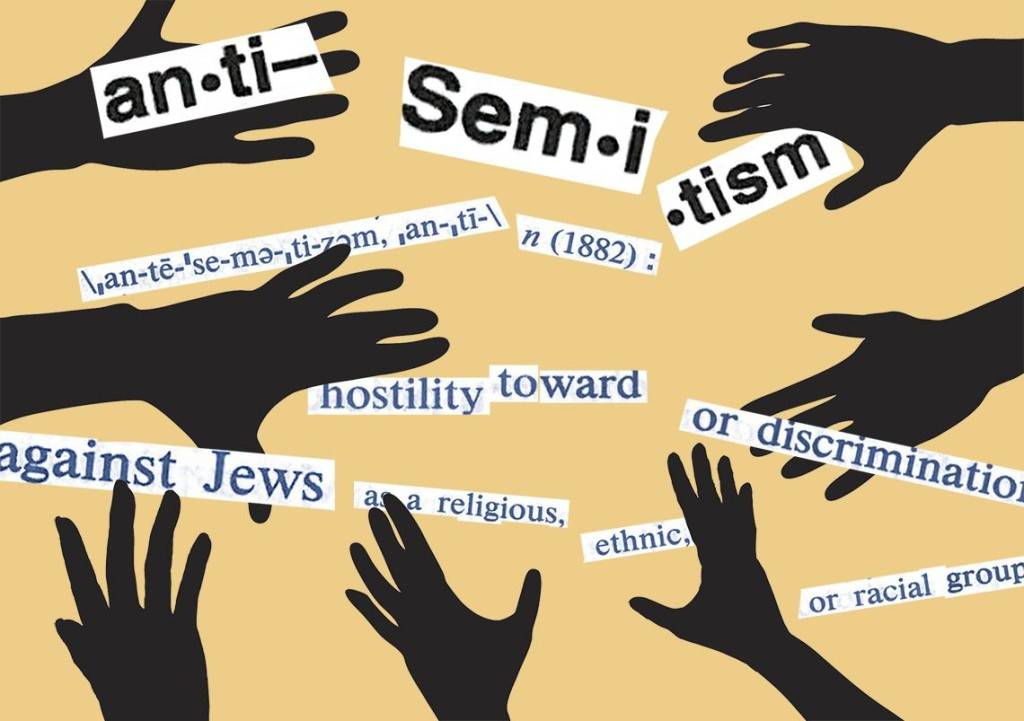
Second, in that sermon Stott vigorously repudiates anti-Semitism and, indeed, asserts that Christians should be, if anything, pro-Semitic.
Third, the guilt-by-association of the calm and biblically-reasoned approach of Stott with Luther’s well-documented anti-Semitic outburst is, quite frankly, scurrilous.
In what ways, then, may those of us who dispute Christian Zionist theology on biblical grounds nevertheless be regarded as pro-Semitic? In at least the following ways:-
1. We should pray and work for the good of all people, Jews and Gentiles alike, because all are created in God’s image and God wants all people to be saved (1 Timothy 2:1-3).
2. We should pray and work for the good of particular groups of people that God lay on our hearts from time to time. Some Christians have a ‘heart’ for Jewish people, and this is good and right.
3. We should pray and work for the good of all the people of Palestine – Jews and Palestinians alike – because their need for peace and mutual understanding is particularly great at this time.
4. We should pray and work for the good of the Jewish people, because they have as much right as any other people to a safe place that they can call ‘home’.
5. We should work and pray for the good of the Jewish people in particular, because they have been subjected over the centuries to terrible hatred and persecution. The Christian church has been by no means blameless in this regard, and therefore owes Jewish people something of a debt.
6. We should pray and work for the good of Jewish people in particular, because of their unique history and heritage. ‘Theirs is the adoption as sons; theirs the divine glory, the covenants, the receiving of the law, the temple worship and the promises. Theirs are the patriarchs, and from them is traced the human ancestry of Christ, who is God over all, for ever praised!’ (Romans 9:4-5). Accordingly, we can join with Paul in making it our heart’s desire and prayer to God that they might be saved (Romans 10:1).
7. We should pray and work for the good of Jewish people in particular, because God did not reject them, Romans 11:1-2. Indeed, Romans 11:26 has seemed to many honoured Christian leaders – Puritans, pioneer missionaries, and evangelical teachers (and yes, both Martin Luther and John Stott) – right to encourage us to pray expectantly for a large-scale turning of Jewish people to Jesus as Saviour and Messiah.