Protecting the unborn child
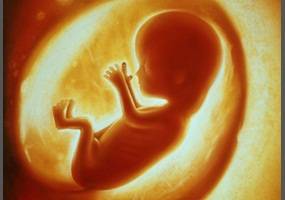
John Stott is his usual measured self when he speaks and writes on the subject of abortion. So it is without hyperbole that he urges us to avoid euphemisms, and to speak of things as they really are:-
‘The popular euphemisms make it easier for us to conceal the truth from ourselves. The occupant of the mother’s womb is not a ‘product of conception’ or ‘gametic material’, but an unborn child. Even ‘pregnancy’ tells us not more than that a woman has been ‘impregnated’, whereas the truth in old-fashioned language is that she is ‘with child’. How can we speak of the ‘termination of a pregnancy’ when what is terminated is not just the mother’s pregnancy but the child’s life? And how can we describe the average abortion today as ‘therapeutic’ (a word originally used only when the mother’s life was at stake), when pregnancy is not a disease needing therapy, and what abortion effects nowadays is not a cure by a killing? And how can people think of abortion as no more than a kind of contraceptive, when what it does is not prevent conception but destroy the conceptus? We need to have the courage to use accurate language. Induced abortion is feticide, the deliberate destruction of an unborn child, the shedding of innocent blood.’
(Authentic Christianity, p 367f).
There are, says Stott, two lives, not one, at stake here:-
‘Since the life of the human fetus is a human life, with the potential of becoming a mature human being, we have to learn to think of mother and unborn child as two human beings at different stages of development. Doctors and nurses have to consider that they have two patients, not one, and must seek the well-being of both. Lawyers and politicians need to think similarly. As the United Nations’ ‘Declaration of the Rights of the Child’ (1959) put it, the child ‘needs special safeguards and care, including appropriate legal protection, before as well as after birth’. Christians would wish to add ‘extra care before birth’. For the Bible has much to say about God’s concern for the defenceless, and the most defenceless of all people are unborn children. They are speechless to plead their own cause and helpless to protect their own life. So it is our responsibility to do for them what they cannot do for themselves.’
(Authentic Christianity, p 367).