What Evangelical Religion is not
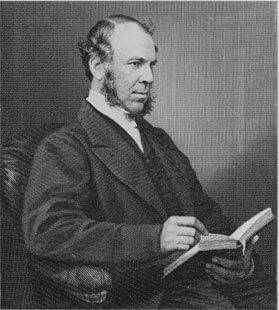
Having set out what he regards as the five leading features of ‘evangelical religion’ (i.e. evangelical faith), J.C. Ryle then goes on to write about what it is not:-
1. It does not despise learning, although it steadily refuses to place any uninspired writings on a level with revelation.
2. It does not undervalue the Church, although it refuses to exalt the Church above Christ, or teach people that membership of the Church is identical with membership of Christ.
3. It does not undervalue the Christian ministry, although it refuses to admit that Christian ministers are in any sense sacrificing priests, mediators between God and man, lords of men’s consciences, or private confessors.
4. It does not undervalue the Sacraments of Baptism and the Lord’s Supper, although it refuses to admit that Christ’s sacraments convey grace ex opere operato.
5. It does not undervalue the English Prayer-book, although it does not presume to say there can be no acceptable worship of God without it. [It will be remembered, of course, that Ryle was a bishop of the Church of England].
6. It does not undervalue Episcopy, although it refuses to believe that Bishops are infallible.
7. It does not object to handsome churches and a well-ordered service, but it maintains that simplicity should be the grand characteristic of Christian worship.
8. It does not undervalue unity, although it maintains that there can be no real unity without oneness in the faith.
9. It does not undervalue Christian holiness and self-denial, although it denies that true holiness consists in calling everything ‘holy’ in religion, and thrusting forth the word ‘holy’ with sickening frequency at every turn.
Knots Untied (1977 James Clarke edition, pp7-12)