Compositional devices in ancient biographies
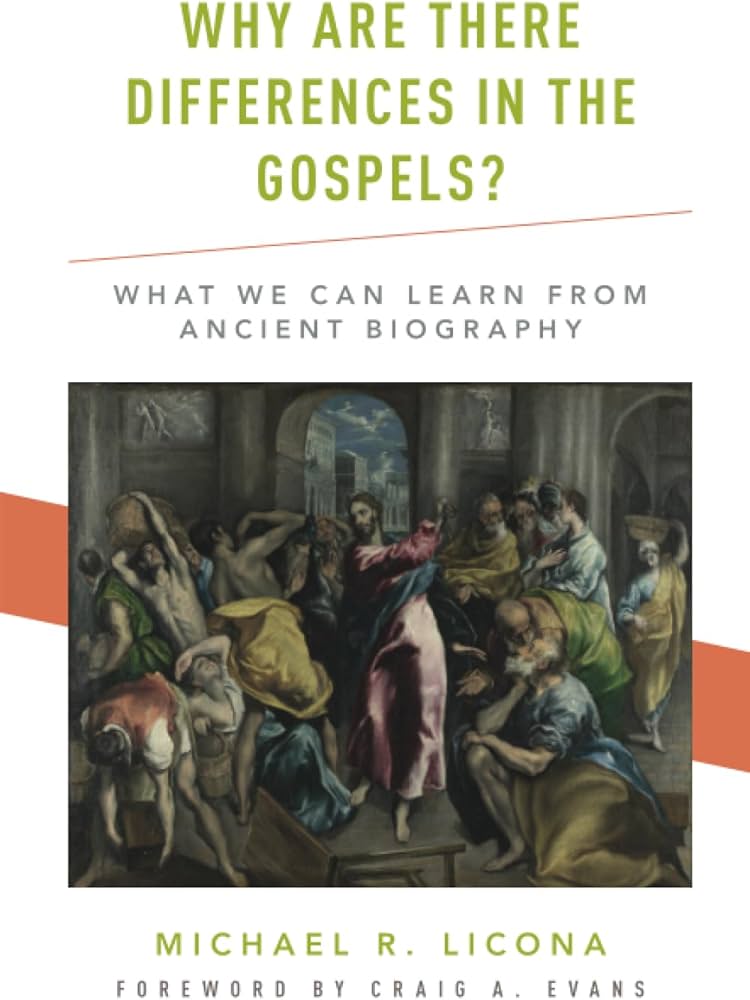
How do we account for difference between the Gospels?
Michael Licona, in his book, Why Are There Differences in the Gospels? What We Can Learn from Ancient Biography (2017) argued that the Evangelists would have been acquainted with, and would have utilised, compositional devises that were ‘practically universal in ancient historiography’.
These include:
- transferal (attributing words spoken by one person to another),
- displacement (placing something spoken in one context to another),
- conflation (combining elements of two different events or people as one),
- compression (describing events as taking place in a shorter period of time than actual),
- spotlighting (focusing attention upon a particular person),
- simplification (omitting details in order to focus attention),
- expansion of narrative details (the creative reconstruction and free composition of plausible circumstances),
- paraphrasing (creative retelling of an event to emphasize a point),
- the law of biographical relevance (the addition or omission of biographical information according to the purpose of the author)
Robert Stein (from whose review the above list has been taken), comments that a number of these are not only uncontroversial, but by no means limited to ancient Greco-Roman historiography (we find just such spotlighting in the Old Testament stories of Abraham, Jacob, Moses, Joshua, Samuel, David, Solomon and others. How could their stories be told without such spotlighting?).
Stein also suggests that the Gospel writers may have felt considerably less liberty in repeating traditions relating to Jesus Christ, the Son of God) than Plutarch felt in doing the same with his biographical subjects.
To mention one further point not raised by Stein: when we come across doublets in the Gospels, is it not perfectly reasonable to suppose that Jesus, as a skilled itinerant teacher, repeated similar material but with changes in details of emphases, as different situations occurred?
See also this review, by Mark Strauss.