Incarnation and the tabernacle
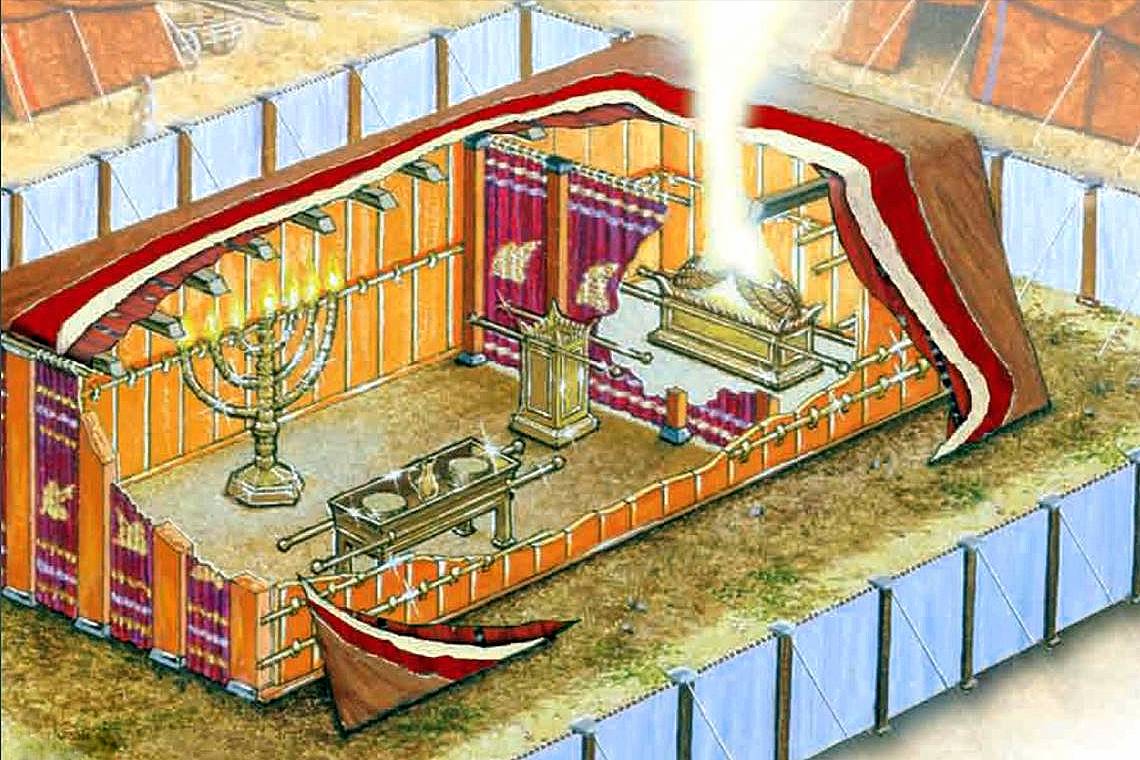
James K. Bruckner writes:
‘The tabernacle provided, for the first time since Eden, a place for the visible presence of God in the midst of the people.’
He adds: ‘the Gospel of John provides a window that helps Christians interpret the significance of the tabernacle in relation to the incarnation.’
Consider John 1:14-15a – ‘The Word became flesh and made his dwelling among us. We have seen his glory.’
- ‘The Word became flesh’ ‘matches the detailed descriptions of the tent of meeting as a location of God’s presence (Exod. 25:22; 29:42–43; 30:6, 36).’
- ‘Made his dwelling among us’ is, literally, ‘set up his tent ‘, and ‘echoes the repeated words of the Lord, “Make this tabernacle” and “I will dwell among them” (Ex 25:8–9; 29:45–46).’
- ‘We have seen his glory’ ‘also reflect Israel’s experience, first on the mountain (24:16–17), but more substantially in the tabernacle (Ex 29:42–46; 40:34–38).’
- ‘Full of grace and truth’ well represents Exodus 34:6.
Additionally, John 1:18 finds a rich background in Exodus 33:18–23.
(Exodus, Understanding the Bible Commentary Series, p232f)
The tabernacle was, of course, replaced by a fixed temple. So it is, then, that God Incarnate refers to the ‘temple’ of his own body (Jn 2:19).
‘But the connections between Jesus and the Old Testament tabernacle do not end with his incarnation. The New Testament also teaches us that the veil that denied access to the Most Holy Place was torn during the crucifixion of Jesus (Matt. 27:51). In other words, Jesus, through his sacrificial death, removed the barrier between God and sinner (Heb. 9). Jesus also replaces the sacrifice that was required in the tabernacle and the priesthood that mediated on behalf of the people (Heb. 4:14).
‘If all of this were not marvelous enough, Jesus fulfills the covenant promise of dwelling with us even after his resurrection and ascension. Prior to ascending, Jesus promised his church the indwelling of the Holy Spirit. Through his redemptive work on our behalf, the people of God actually have the privilege of being God’s dwelling place. Jesus made it possible for his people to be the tabernacle or temple of God. Thus, Paul urges the saints at Corinth toward holiness by these words:
‘Do you not know that your bodies are temples of the Holy Spirit who is in you, whom you have received from God? You are not your own; you were bought at a price. Therefore honor God with your bodies. (1 Cor. 6:19–20)’
‘Jesus is Emmanuel. He is God with us. God first demonstrated this reality to his people through the construction of the tabernacle and he fully revealed it to them through the tent of the flesh of his Son.’
(Selvaggio, From Bondage to Liberty))