How the resurrection accounts fit their 1st century setting
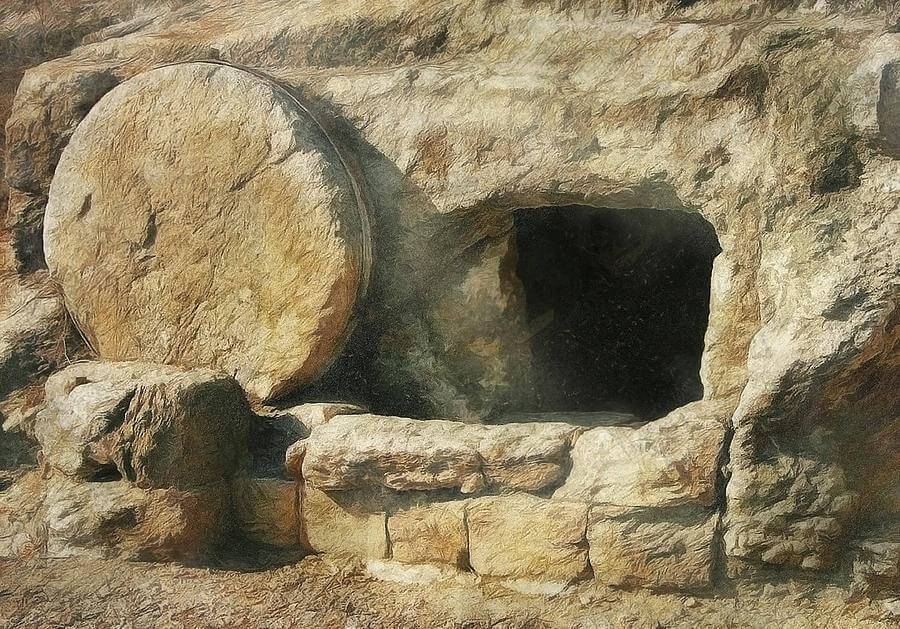
The Gospel accounts of the resurrection of Jesus are sometimes thought to be hopelessly inconsistent with each other. Thus, their historical accuracy is doubted.
One profitable line of enquiry is to how the various account line up with what is know about burial practices in the 1st century.
Ian Paul gives a few examples:-
‘Only the family tombs of the relatively wealthy would have disk-like round stones closing the entrance which need to be rolled away (and there are more and more examples of these being excavated year by year); the entrances are often quite low, so you would indeed need to stoop down to see the inside (John 20.5) and the space (unlike a modern ‘tomb’) can indeed be ‘entered’ (Mark 16.5). But you cannot see everything from the outside, so if there were heavenly beings at the head and the foot of the space where the body was laid (John 20.12), then you would not see both from the outside. And the dead were indeed wrapped with two different clothes, one wound round the body, and a separate one (the soudarion, John 20.7) around the head, which would be left in two, neat, folded piles were the body to be miraculously removed. (I am surprised to find that very many modern readers still do not understand that significance of this detail, and why it led the ‘other disciple’ to ‘believe’ that something extraordinary had happened.)’