To death…and beyond
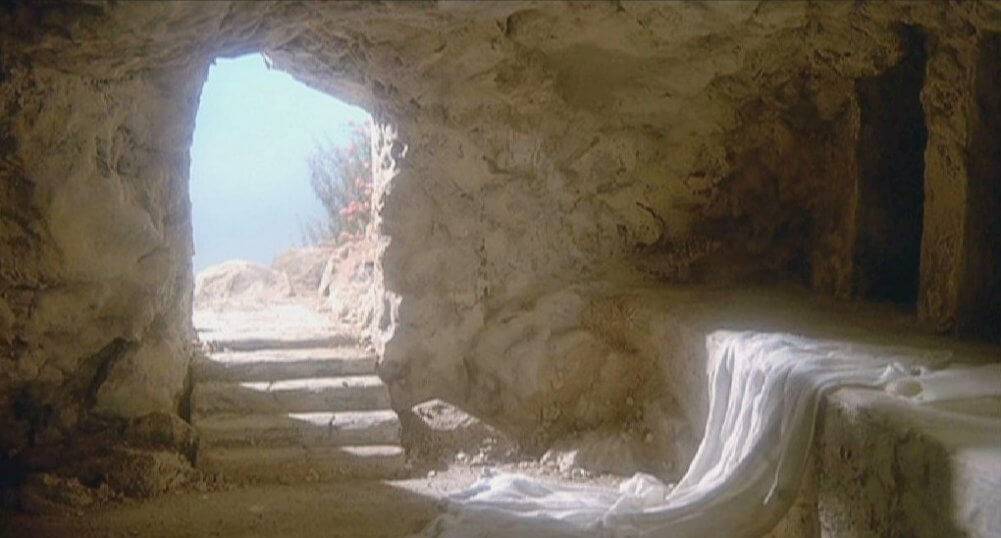
Commenting on Psalm 6:5, Derek Kidner provides an excellent summary of Old Testament teaching on ‘sheol’ (the grave; the abode of the dead) and what lies beyond:-
Sheol can be pictured in a number of ways: chiefly as a vast sepulchral cavern (cf. Ezek. 32:18–32) or stronghold (Pss 9:13; 107:18; Matt. 16:18); but also as a dark wasteland (Job 10:22) or as a beast of prey (e.g. Isa. 5:14; Jon. 2:2; Hab. 2:5). This is not definitive language, but poetic and evocative; and it is matched by various phrases that highlight the tragedy of death as that which silences a man’s worship (as here; cf 30:9; 88:10f.; 115:17; Isa. 38:18f.), shatters his plans (146:4), cuts him off from God and man (88:5; Eccl. 2:16) and makes an end of him (39:13). These are cries from the heart, that life is all too short, and death implacable and decisive (39:12f.; 49:7ff.; cf. John 9:4; Heb. 9:27); they are not denials of God’s sovereignty beyond the grave, for in fact Sheol lies open before him (Prov. 15:11) and he is ‘there’ (Ps. 139:8). If he no longer ‘remembers’ the dead (Psa 88:5), it is not that he forgets as men forget, but that he brings to an end his saving interventions (Psa 88:12; for with God to remember is to act: cf. e.g. Gen. 8:1; 30:22).
For the most part, the Old Testament emphasis falls on death as the great leveller (cf. Job 3:13–19), although sometimes depths beyond depths can be made out, to which tyrants, in particular, are consigned, as in Isaiah 14:13; Ezekiel 32:18ff. But at rare moments the Psalms have glimpses of rescue from Sheol, in terms that suggest resurrection, or a translation like that of Enoch or Elijah (cf. Psa 16:10; 17:15; 49:15; 73:24), and in at least two places in the Old Testament the former of these hopes is spelt out unmistakably (Isa. 26:19; Dan. 12:1–3).
Tyndale Old Testament Commentary: Psalms, Vol. 1