Six arguments for the resurrection of Jesus
Michael Green (BST) points out that even though Matthew does not offer exhaustive evidence for the resurrection, nevertheless he does ‘give us a handle on six arguments for the truth of the resurrection which were widely deployed in the early church and down the centuries:-
1. The first witnesses. The testimony of women counted for little in both Jewish and Greco-Roman society. They could not bear witness in a court of law. But God chose them to be the first witnesses to the resurrection of his Son! This counts heavily against the idea that the story of the resurrection was fabricated.
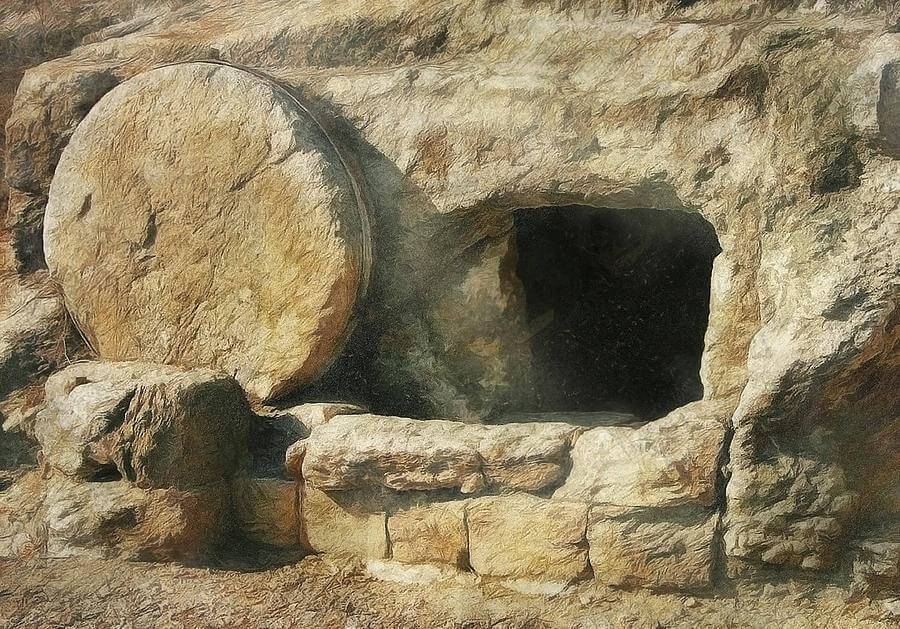
2. The empty tomb, Mt 28:2-6. A dead body had been placed in a tomb and a guard put over the sealed entrance. The body disappeared and could not be produced by those who would have loved to have denied the resurrection. Any Jewish notion of resurrection involved the body: some kind of ‘spiritual’ survival would have made no sense to them at all.
3. The resurrection appearances. (cf. 1 Cor 15 ) Matthew records two in particular: to the women, v9, and then to the eleven disciples in Galilee, vv16-20. A large number of people, in different places and at different times, were convinced that they had seen Jesus alive and well after his death. Their experiences cannot be explained simply as visions or hallucinations. The very existence of the early church is based upon this conviction.
4. The transformed lives, Mt 28:8-9,17. The two Marys had approached the tomb in grief and despondency; they left in amazement and joy. Running through the various resurrection accounts is that sense of “We can hardly believe it!” which rings so true. But James and John, once ‘sons of thunder’, became apostles of love. Simon Peter, once unstable and unpredictable, became ‘the rock’. The Eleven, once fearful and confused, became an apostolic task force. ‘The disciples were men of honour, and could not have foisted a lie on the people. They spent the rest of their lives proclaiming the message of the resurrection, as cowards transformed into men of courage. They were willing to face arrest, imprisonment, beating, and horrible deaths, and not one of them ever denied the Lord and recanted of his belief that Christ had risen.’ (James Rosscup, Q in McDowell, Evidence That Demands a Verdict)
5. The fulfilled predictions, Mt 28:6. Three times in the Gospel account Jesus had predicted that he would rise again on the third day (Mt 16:21; 17:23; 20:19). To predict such an event, and then for its fulfilment to be reliably recorded is utterly amazing.
6. World mission, Mt 28:18-20. “Go and make disciples of all nations,” instructed Jesus, and it all began with the resurrection. It was the Easter faith that launched the church on its mission into the world. By the time that Matthew wrote this account, the Christian faith had spread to many parts of the world. Nothing less than a resurrection could explain this phenomenal growth. The originator of a new religion came to the great French diplomat- statesman Charles Maurice de Talleyrand-Perigord and complained that he could not make any converts. “What would you suggest I do?” he asked. “I should recommend,” said Talleyrand, “that you get yourself crucified, and then die, but be sure to rise again the third day.” Christianity stands on the resurrection.