Ryle on repentance
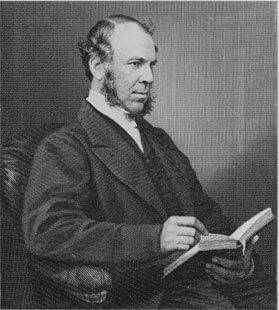
[Notes of ch. 16 of ‘Old Paths’, by J.C. Ryle]
Lk 13:3 “Unless you repent, you will all perish!”
This text seems severe, but it comes from the lips of out loving saviour. It is, after all, a sign of love, not hate, to warn of coming danger.
1. What is repentance?
It is one of the foundation-stones of Christianity, and is spoken of at least 60 times in the New Testament.
- Jesus preached it, Mk 1:15
- The Apostles preached it – Lk 6:12
- Jesus commissioned his disciples to preach it – Lk 24:47
- Peter preached it – Acts 2:38
- Paul preached it – Acts 20:21
‘Repentance is a thorough change of a man’s natural heart upon the subject of sin’.
- It begins with knowledge of sin. The eyes are opened. He sees God’s law, and his own transgressions. He has been deluded. He is guilty.
- It proceeds to sorrow for sin, there is deep remorse, mourning, grief. ‘The burden of them is intolerable’.
- It goes on to confession of sin. The tongue is loosed.
- It involves breaking off from sin. The life is altered. ‘What Goa commands he now desires to practice; and what God forbids he now desires to avoid’.
- It produces deep hatred of sin. He abhors that which is evil, and cleaves to that which is good.
But note:- true repentance is always accompanied by true faith.
- Repentance must be of the heart. It does not consist in a grave expression, but in something far deeper.
- Repentance must involve turning to God.
- Repentance must be attended by a thorough forsaking of sin. Our feelings must be accompanied by actions, or they are worthless.
- Repentance must be bound up with faith in Christ
2. Why is repentance needful?
Without it there is no forgiveness. Not that repentance earns or merits forgiveness, but that God demands that the rebel throw down his arms.
Without it there is no happiness. No happiness until conscience has been satisfied. No happiness until God is given his due place.
Without it there is no meetness for heaven. ‘Heaven is a prepared place, and they who go to heaven must be a prepared people’. ‘What could you possible do in heaven, if you got there with a heart loving sin?’ You would be a fish out of water; a bird in a cage.
‘So long as you do not quarrel with sin, you will never be a truly happy man. Thousands go on for a time in this way, and seem merry before the eyes of men, and yet, in their hearts carry about a luring sorrow. When they are alone they are wretched. When they are not in jovial company they are low. Conscience makes cowards of them. The do not like being by themselves. They hate quiet thinking. They must constantly have some new excitement. Every year they must have more. Just as an opium-eater needs a larger dose every year he goes on eating opium, so does the man who seeks happiness in anything except God need greater excitement every year that he lives, and after all is never happy’.
Conscience – like a church clock which few hear during the bustle of the day, but which strikes inexorably in the evening of life.
3. The encouragement there is to repent.
A gracious Saviour. Heb 7:25; Acts 5:31; Lk 19:10; Mk 2:17; Mt 11:28; Jn 6:37. Glorious promises. Prov 68:13; 1 Jn 1:9; Mt 5:3,4,6.
Gracious declarations. Ezek 18:27; Psa 51:17; 2 Pet 3:9; Ezek 53:11; Lk 15:10.
Marvelous parables. Pharisee & publican. Prodigal son.
Wonderful examples. David. Manasseh. Peter. The penitent thief.
Conclusion
A word of warning. Think of your danger, your guilt, and your folly. A word of invitation. Do not be ashamed, or afraid.
A word of exhortation. Keep up your repentance.