Narrative preaching – strengths and weaknesses
The narrative sermon is a sermon in the form of a story.
Calvin Miller writes:
‘The narrative sermon, rather than containing stories, is a story which, from outset to conclusion, binds the entire sermon to a single plot as theme. Here and there sub-plots, separate illustrations or precepts may punctuate or ornament the narrative, but the theme narrative stays in force all the way through—from the sermon’s “once-upon-a-time” until its “happy ever after.”’
A. Strengths
1. It speaks in a natural way to both Scripture and contemporary culture. The Bible presents its message as story, and the church’s creeds present the great narrative of our faith. And our culture is saturated with stories, via TV, film, novels, plays and so on:
‘In such a story-soaked age, the narrative sermon will naturally find a cultural acceptance which the precept-oriented or the exegesis sermon might never find.’
2. It captures interest and attention in the many who come to church with limited attention spans. If a good novel is unputdownable, then a good narrative sermon should engage and sustain interest until the end.
The narrative sermon engages interest through its plot development. As those who listen to music wait with anticipation for the final cadence, so the narrative sermon hearer waits for the resolution of the plot.
3. It is less ‘preachy’ than some more traditional forms of preaching. If a listener’s attitude is ‘don’t preach at me’, then the best exegesis and the most telling applications will not find a hearing. Story-telling get get in behind the defences and gain a more sympathetic hearing.
4. It lends itself to preaching which flows smoothly and is memorable. Like the parables of Jesus, narrative sermons are not ‘still life’ images but motion pictures. Good stories have a habit of sticking in the mind when the best-alliterated preceptive sermon has been long forgotten.
5. A good narrative sermon will have a literary quality that will enhance its listenability and memorability.
B. Weaknesses
1. Thwarted induction. The narrative preacher may falsely assume that the hearers can supply their own life stories in order to reach appropriate conclusions. Or, the hearer may come to false conclusions about how one’s own story should be amended, challenged or redirected. If people can see very different pictures in the same ink-blot, then they are capable of seeing very different things in the same story. In other words, there is a danger that the hearer will have no real encounter with the Word of God.
2. Loss of teaching content. In Acts, Stephen and Paul both preached narratively. But at the same time they taught. The preacher must serve the church in defining and defending its faith. What do we believe, and why?
3. Giving the impression that the sermon exists to fascinate, rather than to change:
‘From Jonah to Jesus, the sermon has always existed to bear the demand of God. What is the sermon’s demand? It demands that hearers “follow” (Matt. 4:19) or “go possess the land” (Deut. 1:8) or “go proclaim liberty” (Luke 4:18) or “repent and be baptized” (Acts 2:38). The inductive call of the narrative sermon may elicit strong inner decisions, but it might also allow the more biblical demands of sermons to go unheeded. In another context, James asked us to be more than mere hearers of the word (Jas. 1:22).’
4. Some hearers are less story-oriented.
‘As there is a wide difference between the thick precepts of Paul (his sermons are a long distance from narrative preaching) and the smoothly flowing parables of Christ, these same differences exist in our own congregations. Narrative preaching may overlook or even overwhelm this significant segment of Christ’s body.’
5. Narrative sermons are limited by the imaginative power of their hearers. Just as some preachers preach ‘over people’s heads’, so some can ‘narrate over people’s heads’. The listener is left asking: ‘Why did he tell that story?’ Just as a person can watch a film, and be left none the wiser at the end, total understanding of a narrative sermon cannot be assumed.
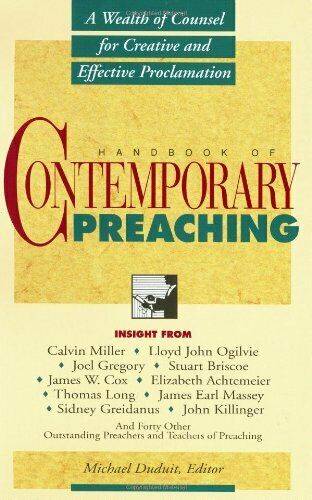
Based on Handbook of Contemporary Preaching (ed. Michael Duduit), ch. 9, ‘Narrative Preaching’.