Sighing and groaning
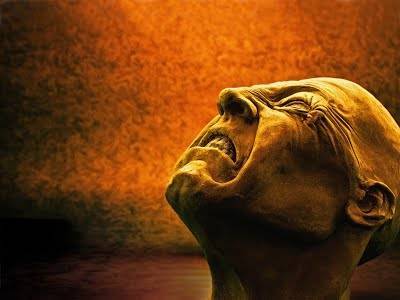
‘It is a perversion of Scripture to demand that humans suffering the consequences of the Fall are to somehow bear up under it with a resolute grin-turned-grimace. The books of the Bible, all of which deal frankly with human suffering, know of no such stoicism. Job was not ashamed or afraid to express his grief to God (Job 3:24) and complained bitterly about his perception of divine indifference (Job 23:2; 24:12). The psalms, which beautifully reflect the full range of human emotion, are full of references to sighing and groaning (cf. Ps 5:1; 6:6; 12:5; 22:1; 31:10; 32:3; 38:8-9; 77:3; 79:11; 90:9; 102:5, 20). And the Gospel of Mark reports that the incarnate Lord himself, drinking deeply from his humanity, sighed on two occasions: first when he healed the deaf and mute man in the region of the Decapolis (Mk 7:34), and second as he responded to the Pharisees’ cynicism near Dalmanutha (Mk 8:11-12). Our Lord experienced the frustration of being human between the Fall and the coming redemption, and his sighs reflect this.’
Dictionary of Biblical Imagery