The benefits of silence
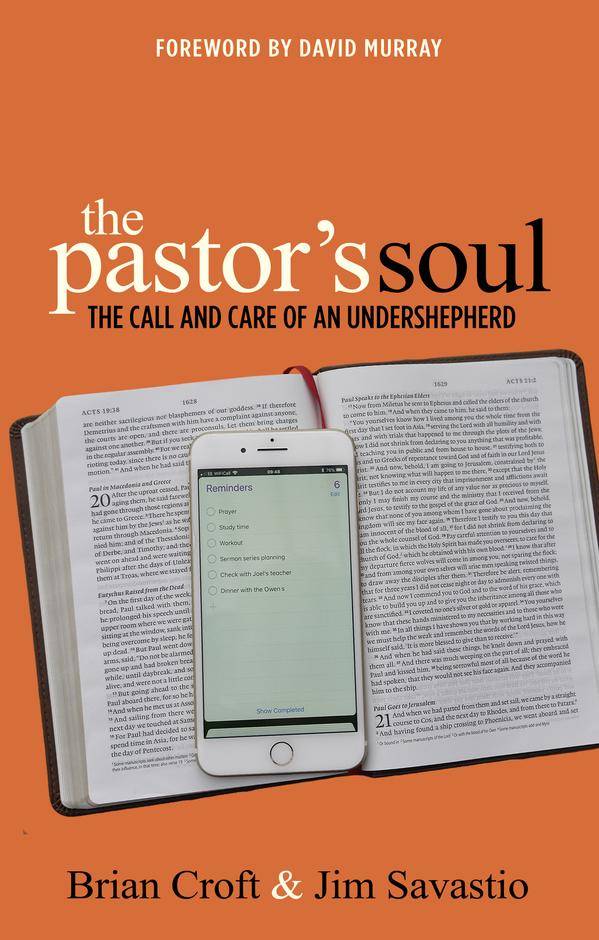
Brian Croft commends the value of periods of silence to pastors. However, what he writes is helpful for the rest of us too:
First, silence exposes the soul. A common defense mechanism is to use busyness and noise to avoid pain in our lives. It could be unresolved pain and abuse from the past, or it could be a current suffering. Regardless, noise and distraction can give the illusion it isn’t there, or that it has no power. Silence can expose that deep pain and demonstrate its undeniable presence in our souls. It is when we are still and silent that we become more aware of our emotions, what our minds obsess over, and the physical pain we feel that could be related to stress and anxiety.
Second, silence confronts the voices. The voices to which I refer are the messages we hear about ourselves. We all have them. They are voices from those throughout our life. They are the messages the enemy loves to whisper in our ears. They are the interpretive messages of those presently in our life. When those voices are harsh, abusive, and lie about our value and identity in Christ, they become very unpleasant to hear and we do what we must to run from them. These voices tormented me. Abusive voices from my past, lies from the enemy, and painful words of criticism in the present all created these messages of failure and self-loathing that were loudest when I was alone in silence. So, I ran from silence to try and escape these voices. I needed silence to confront these voices and speak powerful, gospel truth against the lies I heard and had believed for so long. Martyn Lloyd Jones has famously addressed these voices in the context of depression, stating:
The main trouble in this whole matter of spiritual depression in a sense is this, that we allow our self to talk to us instead of talking to our self. Am I just trying to be deliberately paradoxical? Far from it. This is the very essence of wisdom in this matter. Have you realized that most of your unhappiness in life is due to the fact that you are listening to yourself instead of talking to yourself? Silence allows us to confront the reality that when we listen to ourselves instead of talking to ourselves we consequently say harsh, soul-crushing words.
Third, silence teaches us to listen. It was a troubling discovery when I realized how long I had been a pastor yet was still a poor listener. I listened, but it was to prepare to respond. I needed to learn to listen without a need to respond. Just listen and empathize. As I began to embrace silence, I realized I was learning to listen also. I heard sounds around me I never noticed before. I felt more receptive to the message of God’s word. It is amazing what happens when you are not so preoccupied with trying to figure out what to say or do next. Just listen.
Finally, silence tests our need for noise. I thought I just loved people and activity. I had no idea that I needed noise because my soul was tormented in silence. Silence exposes the soul and can test how much we have grown to depend on noise to block out the pain of our lives. This is one of the many reasons why we all need blocks of time away from our phone, email, social media, and every electronic device that creates much of the constant source of noise in our life. Pastors do not have to make much effort to find noise and distraction in their life. But silence is another matter. We must fight for it. Silence challenges us to face that pain and allow the power of the gospel to penetrate deep in our souls and begin to find healing. And yet, how does a pastor begin to embrace silence out of care for his soul?
Croft, Brian. The Pastor’s Soul: The Call and Care of an Undershepherd. Evangelical Press/EP Books. Kindle Edition. (Emphasis added)