Masters and slaves in Christ
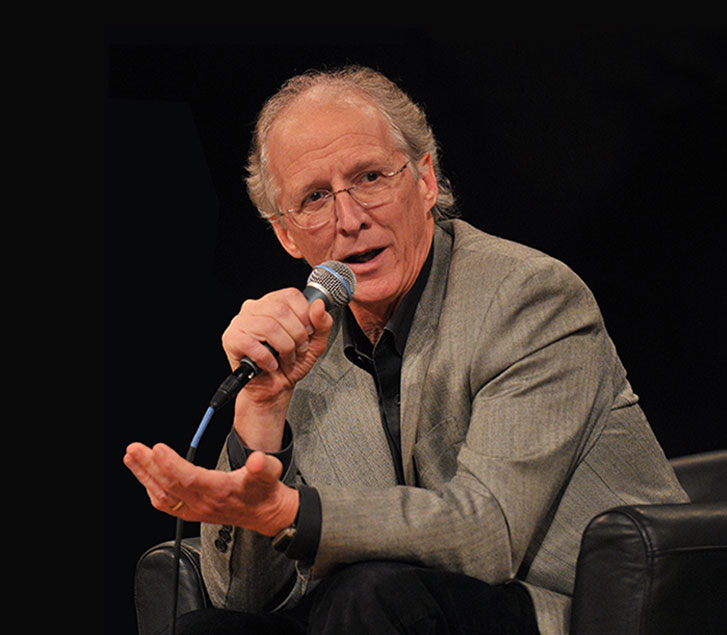
In the course of a discussion about Jonathan Edwards and slavery, John Piper notes:
I believe that the New Testament ordered human relationships in Christ in such a way as to transform the master-slave relationship into something so different from “owner” and “property” that what remained was no longer recognizable as slavery in the traditional sense. To say it another way, when the New Testament instructions to masters and slaves were obeyed, what was left of the master-slave relationship was not a relationship of owner and property.
For example, these New Testament instructions included the following:
- Manstealing is condemned (“enslavers” in the ESV, 1 Timothy 1:10), calling into question the source of much slavery.
- All human beings are created “in the likeness of God” (James 3:9) with implications of respect (1 Peter 2:17).
- Christians are to do to others as we would have them do to us (Matthew 7:12).
- Christians are to love our neighbor as we love ourselves (Mark 12:31).
- “Love does no wrong to a neighbor” (Romans 13:10).
- All Christians “have put on Christ,” so “there is neither slave nor free, . . . for you are all one in Christ Jesus” (Galatians 3:27–28).
- As one body in Christ (slave and free), “we are members one of another” (Ephesians 4:25).
- “If you are Christ’s, then you are Abraham’s offspring, heirs according to promise” (Galatians 3:29).
- “In Christ Jesus you are all sons of God, through faith” (Galatians 3:26).
- “From the Lord [slaves] will receive the inheritance as [their] reward” (Colossians 3:24).
- In the church, each believer is a “new self,” so there is neither “slave [nor] free” (Colossians 3:9–11).
- Christ is “in all” believers, slave and free (Colossians 3:11).
- “He who was called in the Lord as a slave is a freedman of the Lord” (1 Corinthians 7:22).
- “Likewise he who was free when called is a slave of Christ” (1 Corinthians 7:22).
- “You were bought with a price; do not become slaves of men” (1 Corinthians 7:23).
- “If you can gain your freedom, avail yourself of the opportunity” (1 Corinthians 7:21).
- “Slaves, obey . . . with a sincere heart, as you would Christ” (Ephesians 6:5).
- “Slaves, obey your earthly masters . . . as slaves of Christ, doing the will of God from the heart” (Ephesians 6:5–6).
- Slaves, keep in mind “that whatever good anyone does, this he will receive back from the Lord, whether he is a slave or is free” (Ephesians 6:8).
- “Masters, . . . stop your threatening” (Ephesians 6:9).
- Masters, know “that he who is both their Master and yours is in heaven, and that there is no partiality with him” (Ephesians 6:9).
- “Masters, treat your slaves justly and fairly” (Colossians 4:1).
- Philemon is to welcome back his runaway slave Onesimus, now a Christian, “no longer as a slave, but more than a slave, as a beloved brother” (Philemon 1:15–16; Colossians 4:9).
When a Christian slaveowner and a Christian slave obeyed all these teachings, the relationship was radically transformed. The master was transformed from owner to one who was owned by Christ along with his slave. The slave was transformed from property to coheir of Christ with the master.