Why did so many Christians in the South support slavery?
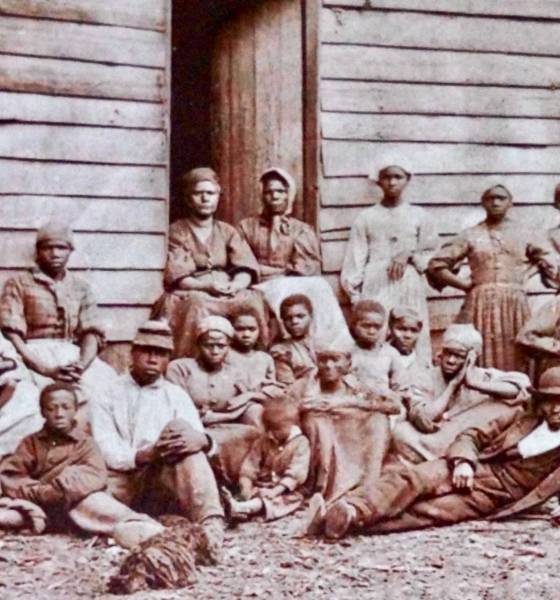
It seems incredible to most of us today that mature and thoughtful Christians leaders in the American South (including J.H. Thornwell and R.L Dabney) persisted in defending the institution of slavery.
It should not be supposed, however, that they did so from simple-minded malice. Anyone who thinks about the matter would do well to reflect on the ways in which they attempted to justify the practice.
An article in Christianity Today summarises the key reasons given by church leaders in the South:
Biblical Reasons
• Abraham, the “father of faith,” and all the patriarchs held slaves without God’s disapproval (Gen. 21:9–10).
• Canaan, Ham’s son, was made a slave to his brothers (Gen. 9:24–27).
• The Ten Commandments mention slavery twice, showing God’s implicit acceptance of it (Ex. 20:10, 17).
• Slavery was widespread throughout the Roman world, and yet Jesus never spoke against it.
• The apostle Paul specifically commanded slaves to obey their masters (Eph. 6:5–8).
• Paul returned a runaway slave, Philemon, to his master (Philem. 12).
Charitable and Evangelistic Reasons
• Slavery removes people from a culture that “worshipped the devil, practiced witchcraft, and sorcery” and other evils.
• Slavery brings heathens to a Christian land where they can hear the gospel. Christian masters provide religious instruction for their slaves.
• Under slavery, people are treated with kindness, as many northern visitors can attest.
• It is in slaveholders’ own interest to treat their slaves well.
• Slaves are treated more benevolently than are workers in oppressive northern factories.
Social Reasons
• Just as women are called to play a subordinate role (Eph. 5:22; 1 Tim. 2:11–15), so slaves are stationed by God in their place.
• Slavery is God’s means of protecting and providing for an inferior race (suffering the “curse of Ham” in Gen. 9:25 or even the punishment of Cain in Gen. 4:12).
• Abolition would lead to slave uprisings, bloodshed, and anarchy. Consider the mob’s “rule of terror” during the French Revolution.
Political Reasons
• Christians are to obey civil authorities, and those authorities permit and protect slavery.
• The church should concentrate on spiritual matters, not political ones.
• Those who support abolition are, in James H. Thornwell’s words, “atheists, socialists, communists [and] red republicans.”