Theology of Prayer 3 – Parts of Prayer (ii)
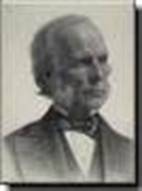
B.M Palmer, Theology of Prayer, ch. 3
Confession and supplication. These together form the language of guilt, with which we must all approach the Almighty.
Man’s first duty is obedience to the law. Now, having transgressed the law, his first responsibility is to repent and confess.
In Greek, Latin and English, the word literally means, ‘to speak together’. In confession, God and man unite in an agreed declaration concering sin.
- It begins with a clear perception of the nature of sin. Not merely its consequences, but its intrinsic vileness.
- The heart is aroused to indignation against it. ‘There is in the soul of the truen penitent a virtuous and burning hatred of that which robs God of his honour, and himself of peace.’
- A judicial pronouncement against it before the tribunal of conscience. God condemns it, and so do we.
- True repentance and abandonment of the sin. ‘In true confession all the powers of the soul are engaged. The judgment recognises the standard of duty, and notes the deviations from it. The conscience feels these deviations to be wrong, and fills the soul with shame. The heart kindles with a holy abhorrence of what is impure within ourselves. And the will turns from its commission “with full purpose of, and endeavour after, new obedience.”‘
Supplication is linked with confession because it is the imporing of the divine mercy for pardon, and of the divine power for deliverance. See Eph 6:18, Phil 4:6; 1 Tim 5:5; Heb 5:7.
Intercession. Examples: Abraham, for Sodom, Gen 18:23-32; Judah, for Benjamin, Gen 44:18-34; Moses, for Israel, Ex 32:11-14; the High Priest, Lev 16:15f; our Lord, Jn 17.
See also: Rom 15:30; 2 Cor 1:11; Eph 1:16; 6:18; Phil 1:19; Col 4:3; 1 Thess 3:1; 2 Thess 3:1; Heb 8:18.
Intercession is founded on the social nature of man. ‘God has ordained that we shall appear in his presence in the furniture of all our affections, and clothed with all the sympathies of which the network of life is woven. In not part of prayer do we so grandly approach the priestly office as when breaking through the crust of selfishness, and forgetting our own wants and sins, we can take up the cares and woes of others – putting our souls in their soul’s stead, that with priestly fervou we may lay them on the heart of God.’
- We intercede in obedience to the second table of the law, and to the principle of love.
- Intercession springs out of the trustee-ship with which we are each invested on earth. How can we discharge our responsibilities to others without coming to the throne of grace? See 1 Cor 7:16; 8:13; 1 Tim 2:1f.
- Intercession forms part of the communion of saints, Rom 12:5; 1 Cor 12:26.