Theology of Prayer 12 – The Dignity of Prayer
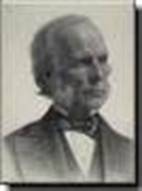
B.M. Palmer, Theology of Prayer, ch. 12
Chapter 12 The Dignity of Prayer
1. All the constituent elements of our complex being are distinctly united and exercised in prayer
In prayer, all the faculties or the mind are exercised – memory, reflection, judgment and reason. ‘Before a man can lisp a syllable of prayer, he must recognise something to pray for. He must know to whom the prayer shall be addressed, and he must consider the relations in which he stands to the Benefactor whose favour he solicits. He must learn the way of approach into that awful and unseen presence. He must study the grounds upon which the appeal shall be based, and the limit beyond which it may not be lawfully urged.’
But also the conscience is fully exercised in prayer. Prayer ‘brings man face to face with his obligations, both human and divine; Keeps the tally as to his faithfulness in their discharge; fastens upon him the sense of blame or of approval; and standing at the gate, seems to open or to shut his approach to the throne of the great King.’ The moral side of man’s nature finds its expression in the distinction between the right and the wrong, precisely as the intellectual had done in its discrimination between the true and the false.’
Likewise the sensibilities, taste, desires. And the will.
But there is the body itself, which through the five senses links self with the world. ‘When, therefore, in prayer the attitude of reverence is instinctively assumed, it is the concurrence of the boa,/ in the homage which is rendered by the soul.’
2. In prayer man holds personal communion with the infinite Jehovah.
A man is known by the company he keeps. Prayer is intensely personal. It is confiding. It is held with God in all the attributes of his infinite nature. ‘So the human soul draws into itself all it may from the fulness which is in God. In its ignorance it may draw upon the wisdom that is infinite; in its weakness, upon the strength that is boundless; in its impurity, upon the holiness that is absolute; in its sorrow, upon the bliss that is supreme. Sweeping round the entire circle of human wants and desires, we touch the corresponding spring in the divine fulness from which the supply must flow. Thus, while the ages unfold through eternal cycles, the soul of man, through this fellowship, shall fill its own emptiness from the exhaustless fountain at which it shall drink forever.’
3. In prayer we are led to a proper estimate of time and eternity.
‘The truth is forced upon us, that we are fashioned by a higher power, through whose providence we are sustained, under whose government we live, and by whose will we are controlled. By necessary association or thought, two worlds, the seen and the unseen, are brought together, and the relations between them begin to be recognised.’
‘It is more or less distinctly felt that the issues of the present life are to be sought and found in the life to come; that our career on earth is purely disciplinary ana educational, during which fixed habits are formed, and character grows into the final crystal which shall abide unchanged forever.’
4. In prayer man presents himself in the furniture of all his relationships.
5. In prayer man is committed to every duty.