Theology of Prayer 8 – Objections to prayer (iv)
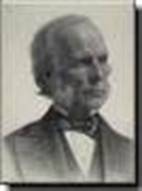
B.M. Palmer, Theology of Prayer, ch. 8
The 4th objection is that the prayer of the wicked is an abomination.
‘Acceptable prayer presupposes a proper state of heart, in the absence of which it becomes an abomination to God, to be suppressed rather than encouraged.’
The principles here affirmed leads to conclusions so appalling, that a fallacy must lurk somewhere:-
1. It does not hold in the sphere of our earthly relations, and is unsound in reference to human law. The debtor cannot plea as an excuse for not discharging his debt, that he is constintutionally selfish and dishonest; for in this case the defence is worse than the crime. Or, to give another example, human law does not recognise an appeal to instinct as an excuse for robbery or muder: ‘the law proceeds upon the idea that men are responsible, though they be wicked.’
2. This principle is unsound in that it dispenses with the obligation to practice any virtue or to attempt any reform. Virtue ceases to be obligatory as soon as it becomes distateful and irksome. The same principles would preclude repentance and faith, which are clearly enjoined by the twin testimony and conscience and Scripture.
3. Our duties to God rest upon our relations with him, so making our responsibility for these duties absolutely binding. ‘The infinite sufficiency of the Creator is recognised in the acknowledgement of the creature’s emptiness and want; this holiness, in the confession of sin; is justic, in the supplication for pardon,; whilst the divine supremacy receives the homage of worship rendered to Jehovah in the unity and perfection of his attributes. So long, therefore, as the creature survives, these relations continue; and, of course, the duties arising from them can never cease.’
The objector may direct the attention away from the overt acts of sin, and argue that prayer is not the duty of those who are born (as we all are born) with original sin. This raises the question, ‘why do all men come into the world sinners, and upon what principle shall they be held accountable for evil dispositions which belong to tha nature which they simply inherit? It is very plain that God did not create them sinners, for this would nake him the author of sin, which is the most violent self-contradiction which can be put into words, since we know nothing of sin except from its antagonism to the holiness of the Divine Being himself.’ It is upon the ground of the federal headship of Adam that the sinner is held responsible for the unholy disposition which disables him from acceptable worship of God. ‘The whole matter resolves itself into that constitution ordained at the beginning, in which the dealing of God with the human race was transacted with a federal head; with whom, in his public and official capacity, all his descendents were considered a unit in law.’
If sin were handed down merely as a matter of heredity, then it might be recognised as a misfortune, but not as guilt. However, the unity between Adam and his posterity is such that they are not merely legally and putatively, but actually and truly, guilty of his sin.
All are agreed on this: ‘that is pleased God not to bring the individuals of the human race into being together, so as to place them singly on probation, but to develop them from a single pair. Of all these hereafter to spring from his loins, the first man was constituted the representative and head – the federal relation founding upon the natural, as being limited and defined by it.’
Now, what shall we say of this economy, and of the guilt which all of Adam’s seed incur in relation to it?
(a) It is a dispensation appointed by God himself. The reasons for this arrangement may largely be concealed: it beig conducive to faith, rather than to knowledge. But God is its Author, and that is the guarantee of its wisdom.
(b) It is a dispensation characterised by the truest benevolence.
(i) The time of man’s probation was by it kept to a limited period of time. The race of man is not put upon indefinite probation.
(ii) Adam ahd the strongest motives to obedience: not only his personal safety, but also the prospect of unspeakable hapiness and honour, and the safety and happiness of untold millions within his loins.
(iii) The probation was not only limited as to time, but narrowed in its extent. God restricted this representative probation to a single text. ‘Obedience to this one command would test the spirit of obedience to law, in the whole breadth of human duty; and, therefore, the trial was made to turn upon a point in itself morally indifferent, having no other foundation except the bare authority by which it was opposed.’
(iv) Upon this principle of represenation is founded the method of grace. ‘If there was a first Adam who failed in obedience, and plunged his posterity into ruin, thee is also a second Adam who has “magnified the law and made it honourable.” The fist covenant with the first Adam was but the scaffolding to the second covenant with the second Adam.’
3. It is a dispensation, the principle of which meets us everywhere in human life. It is found,
(a) in commerce, in the suretyship upon which transactions are so often based;
(b) in law, in the delegation to representatives the making of laws which we are compelled to obey;
(c) in foreign countries, in the official representation of ambassadors.
4. It is a dispensation vindicated in the indestructible consciousness of individual responsibility. There is no escaping the voice of conscience; no, not even in hell. ‘Sooner or later it will rise from its lethargy to fulfil all its functions of witness, judge and final termentor of the last.’ Now, conscience beats its own testimony to the depravity which we bring into the world.
5. It is a dispensation, objection to which is swept away by the ample provision in the gospel to meet the sinner’s difficulty. The deliverance from sin is as complete as the sin itself. It can deliver, not only from the guilt of sin, but also its dominion, and at length its being and presence. Thus the prayer of the unbelieving can become believing, and the prayer of the wicked become holy.