‘A better story’ – 11
Who am I? People today are obsessed with the question of self-identity.
But a coherent sense of identity is under threat:-
In the past people settled into relatively stable patterns quite early on in their life cycle – a long-term job, getting married, bearing children. Now the transition from adolescence to adulthood stretches into the early thirties, with an ever-widening range of possibilities offering vastly increased options for how to be ‘me’ today.
The problem is magnified by the rise of hyper-connectivity, with the proliferation of social networks and streams of information. Various opportunities exist for recreating one’s apparent self – from cosmetic surgery to creating a whole new online identity.
And for those who simply want to discover their ‘true self’, what if they don’t like the self they find? What if I look within, and find a person who is not strong and beautiful, but weak and ugly?
Our culture does not help much. It urges: ‘Be yourself’, but then sets very clear boundaries about what that self is permitted to look like.
What are the consequences of the fragmentation of the sense of self?
First, it can lead to mental health problems.
The deceit of the self-esteem movement is that it suggests that a sense of worth and value can be brought about simply by saying, “I’m special!” But such attempts at self-assertion fail, leaving the person of low self-worth feeling more depressed than ever.
Second, it poses a risk to society and relationships. If a person does not have a stable core to his or her personality, the efforts at self-care undermine empathy and care for others.
Third, it leads to a culture of victimhood and to the suppression of free speech. This is seen on our university campuses, where the attempt to create ‘safe spaces’ for those seen to be vulnerable leads to the deplatforming of controversial speakers, or the setting up of ‘trigger warnings’ for their lectures.
Fourth, identity confusion is most often apparent today around gender identity. The experience of the small minority who have gender dysphoria is being used to justify a new gender ideology on the majority. Children are being taught that gender is ‘fluid’, and stems not from the shape of your body but the state of your mind. The effect is that:-
No-one knows what the eventual outcomes will be.
In conclusion, while we do not claim that everything about the sexual revolution is bad news, the overall picture is of ‘injustice heaped upon children, more people than ever living alone, the collapse of marriage among the poor, fatherless wastelands of social deprivation, and the pornographication of childhood.’
An object of idolatry will always ask for more, but never be satisfied. It will take everything you have, and leave you with nothing. The idolatry of self is just like that.
Christians have no reason to gloat, but rather to lament:-
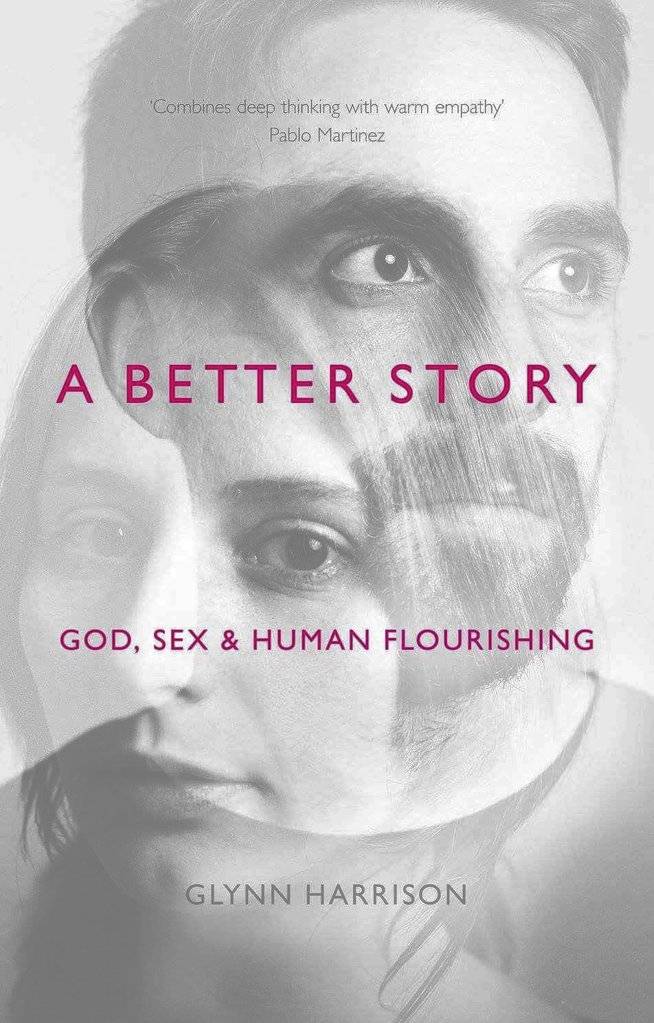
Harrison, Glynn. A Better Story: God, Sex And Human Flourishing. IVP. Kindle Edition. Chapter 11