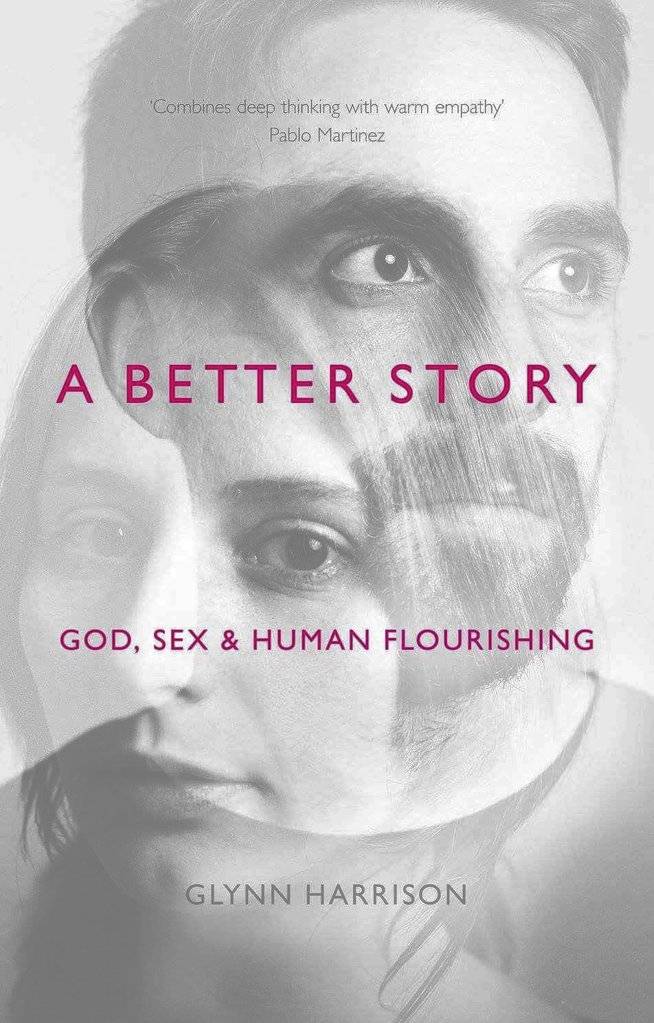
‘A better story’ – 8
A Christian critique of the sexual revolution must begin with honest self-examination.
So, quoting Jesus’ words in Matthew 7:4-5, writes Glynn Harrison.
Over the centuries, the attitudes of the Christian church have been beset by shame and hypocrisy. These very attitudes have helped trigger create the discontent that has led to the revolution.
Too often, Christians have felt shame before issues of sex and relationships. It was not so at the beginning. Shame was no part of God’s original plan (Genesis 2:25), but entered immediately after the first, catastrophic rebellion against God. This side of God’s new creation, there is a certain appropriateness to this shame. It protects us (and others) by prompting modesty and privacy before others. But such shame also leads to inappropriate responses, as when it leads us to deny or repress our sexuality altogether.
Christians have not been immune from hypocrisy in the area of sexuality. While setting high standards for what is ‘right’ and ‘wrong’ in the behaviour of others, too often the church harboured those guilty of sexual abuse. Revelations of wide-scale abuse in the entertainment industry, in politics, and in education should lead us to doubt any causal link between religion and sexual abuse. Nevertheless, some of the church’s institutions have sustained and covered it up.
Hypocrisy can also be seen in the disconnect between the teaching of Christian orthodoxy on pre-marital sex and divorce, for example, and the practices of its rank and file members. How many of us are simply aping the ‘follow your own dream’ ideology of the secular culture?
A further area of hypocrisy can be seen in the tendency of Christians to regard the sins associated with same-sex attraction as more serious than others types of sexual sin. How many of us are prepared to face up (perhaps before other Christians) to our sexual sins, as a number with same-sex attraction have done. ‘Confess your sins to one another’, says the Scripture. The truth is, ‘an excessive public focus upon those who struggle with today’s ‘hot-button’ issues can be a device for keeping our own struggles about being made sexual in the closet.’
It is not uncommon that Christians, after engaging with decent, loving gay people, change their minds (or, rather, their feelings) about homosexuality. When this happens, then (as Tim Keller remarks), it is likely that their former views were defective: a form of bigotry, no less. They cannot have been based on theological or ethical principles, but rather on prejudice and stereotypes.
Only when we have faced up to our own shame and hypocrisy are we ready to put a critical spotlight on the claims and promises of the sexual revolution.
Harrison, Glynn. A Better Story: God, Sex And Human Flourishing. IVP. Kindle Edition.